
Branded Car Air Fresheners for Car Rental Companies: The Complete Australian Guide
Discover how branded car air fresheners help Australian car rental companies boost visibility, impress customers, and maximise promotional ROI.

Written by
Emmett Davis
Drinkware
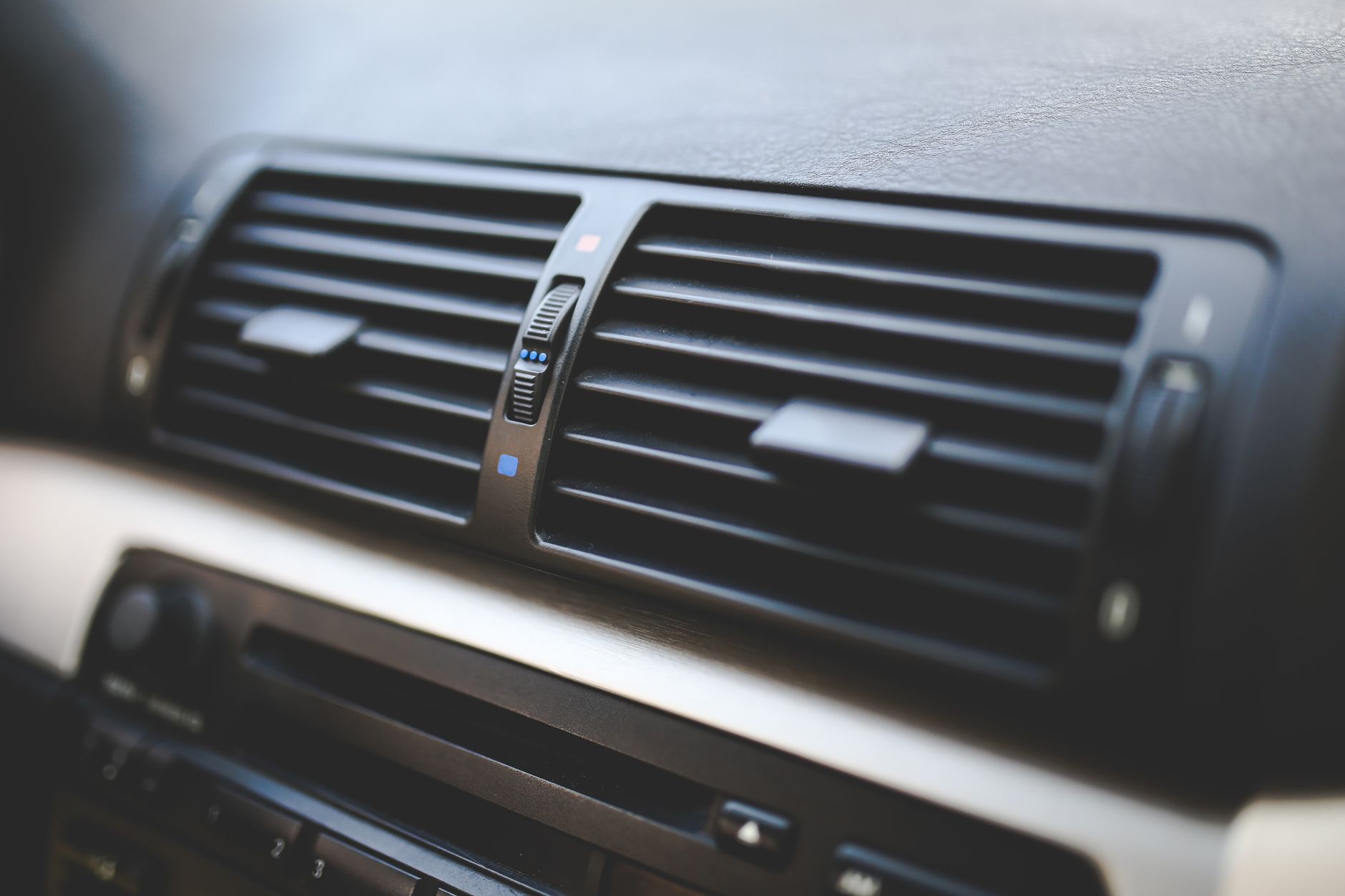
Every time a customer slides into one of your rental vehicles, you have a fleeting but powerful opportunity to make an impression. That fresh, clean scent that greets them isn’t just good housekeeping — it can be a strategic branding touchpoint. Branded car air fresheners for car rental companies in Australia are one of the most cost-effective, high-visibility promotional products available to the automotive sector, yet they remain surprisingly underutilised. Whether you’re running a fleet of ten vehicles in Darwin or managing hundreds of cars across Sydney, Melbourne, and Brisbane, a custom-branded air freshener puts your logo, tagline, and contact details right in front of your customer for the entire duration of their hire — and often long after.
Why Branded Car Air Fresheners Make Sense for the Car Rental Industry
The logic is straightforward: promotional products work best when they’re both useful and ever-present. Few items tick those boxes quite like a car air freshener. It hangs in plain sight, serves a practical function, and lasts anywhere from two to six weeks depending on the product type and scent intensity. For a car rental business, that’s potentially weeks of brand exposure per customer, per vehicle.
Think about what your average customer sees during a rental period. They glance at the rearview mirror dozens of times per journey. A well-designed, eye-catching air freshener dangling from that mirror becomes almost impossible to ignore. Compared to something like a business card stuffed in the glove box, the visibility difference is enormous.
There’s also a sensory dimension that most promotional products simply can’t achieve. Research consistently shows that scent is one of the most powerful memory triggers available to marketers. A pleasant fragrance associated with a smooth, enjoyable rental experience creates a positive brand memory that’s likely to influence the customer’s next booking decision. It’s a subtle but remarkably effective form of brand reinforcement.
For a broader look at how Australian businesses are leveraging promotional products in 2026, our overview of promotional product trends in Australia provides excellent context on where the industry is heading.
Types of Branded Air Fresheners Available in Australia
Not all air fresheners are created equal, and understanding your options will help you make a smarter purchasing decision. The Australian promotional products market offers several formats, each with different price points, shelf lives, and customisation options.
Paper Card Air Fresheners
These are the classic hanging style — die-cut into custom shapes, printed on both sides, and saturated with fragrance. They’re the most affordable option, typically available from around $1.50 to $4.00 per unit at volume, and they offer excellent printing real estate for your logo, tagline, website, and social handles. MOQs (minimum order quantities) often start at 250–500 units, making them accessible even for smaller regional operators.
Custom die-cut shapes are where the fun really begins. A car rental company could opt for a car-shaped freshener, a key fob shape, a road map silhouette, or even a stylised version of your logo. Full-colour digital printing produces sharp, vibrant results that present your branding professionally.
Gel Air Fresheners
Gel fresheners typically come in a small container or pod format and offer a longer scent life — often four to eight weeks. They can be branded with a label or custom packaging, making them ideal for premium car rental fleets where the customer experience is positioned at the upper end of the market. A luxury vehicle hire company in Melbourne or Perth would be well served by a gel freshener tucked neatly into the cup holder or door pocket.
Vent Clip Air Fresheners
Designed to clip onto the vehicle’s air conditioning vents, these offer a more modern, discreet presentation. They can be injection-moulded into custom shapes with your logo incorporated into the design, or printed with your branding details. The vent clip format is durable, reusable in some cases, and tends to circulate scent more evenly through the cabin than hanging alternatives.
Spray and Sachet Formats
For fleet cleaning and turnover purposes, branded spray fresheners or sachet-style options can be used by your own team between hires and then left in the vehicle for customers to use themselves. Branded packaging here does double duty — it communicates professionalism to your cleaning staff and continues brand exposure for customers.
Choosing the Right Fragrance for Your Fleet
Scent selection is more important than most businesses initially realise. The goal for a car rental context is almost always to convey cleanliness, freshness, and a sense of quality. Polarising or heavily synthetic fragrances can actually undermine the customer experience.
The most popular fragrance categories for automotive and hospitality applications in Australia include:
- New car – universally appealing, conveys freshness and quality
- Ocean breeze / coastal – particularly resonant in Queensland, coastal New South Wales, and Western Australia
- Citrus – fresh, energising, and widely liked
- Vanilla – warm and pleasant without being divisive
- Pine or eucalyptus – an interesting option for companies wanting to lean into an Australian identity
It’s worth requesting scent samples before committing to a large order. Most Australian promotional product suppliers will accommodate this. If you’re ordering for a national fleet, consider whether a single fragrance makes sense across all markets or whether regional variation could be a point of difference.
Decoration Methods and Artwork Considerations
For paper card air fresheners, full-colour digital printing is standard and allows for detailed, photo-quality artwork. If you want to ensure your brand colours are perfectly represented, ask your supplier about PMS (Pantone Matching System) colour guidance and proof approval processes.
For moulded or gel formats, pad printing or label printing are typical decoration methods. Understanding your decoration options is always helpful — if you’re curious about how different decoration techniques compare across product types, our comparison of screen printing vs embroidery for custom uniforms gives a useful foundation for thinking about print quality and finish.
Artwork is typically required as a vector file (AI or EPS format) to ensure clean reproduction at any size. If your design team is working with raster files, most suppliers can advise on minimum resolution requirements. Always request a digital proof before approving production — particularly when ordering large quantities.
Ordering, MOQs, and Turnaround Times
For car rental companies ordering branded air fresheners across an Australian fleet, quantity planning is essential. Consider:
- Total fleet size – how many vehicles need fresheners at any one time?
- Hire frequency – a high-turnover hire car might need a new freshener every two to three hires
- Buffer stock – always order more than your immediate needs to account for breakage, giveaways, and customer requests
A mid-sized car rental operation running 50 vehicles with a two-week average turnover would need approximately 1,300 units per year as a baseline, plus buffer. At those volumes, per-unit pricing becomes very competitive, often dropping below $1.50 for paper card formats.
Standard production turnaround for branded air fresheners in Australia typically runs seven to fifteen business days after artwork approval, though rush options are available from some suppliers. If you’re ordering for a specific event — say, a fleet launch or tourism expo — factor in freight time, particularly for businesses in Adelaide, Hobart, or Darwin where shipping can add a couple of extra days.
For businesses that also work with trade events and expos, it’s worth understanding how promotional products integrate into a broader event strategy. Our guide to trade show booth designs explores how branded items support your overall event presence.
Practical Applications Beyond the Rental Vehicle
Smart car rental operators aren’t just placing air fresheners in their vehicles — they’re thinking creatively about additional touchpoints.
In-store giveaways: Have air fresheners available at your counter for customers to take home. This extends your brand reach beyond the rental period into the customer’s personal vehicle.
Partnership promotions: A branded freshener can carry co-branding for a hotel partner, tourist attraction, or airline alliance. This kind of collaborative promotion is increasingly common in Australian tourism and travel sectors.
Seasonal campaigns: Consider limited-edition scents or designs for summer holidays, the festive season, or major events. A freshener with a beachside design in January creates a timely, relevant impression.
Corporate account packages: If you service corporate customers with regular hire bookings, including a branded freshener in a welcome pack alongside other useful items — say, a branded USB drive or tyre gauge — adds genuine perceived value. Our guide to promotional tyre gauges for car wash businesses explores a complementary automotive promotional product worth considering for similar audiences. And if you’re building out a broader tech-forward gift pack, promotional USB drives in Australia are another highly practical inclusion.
It’s also worth noting that promotional drinkware is an excellent companion product for car rental customer welcome kits — the ROI data around branded drinkware is compelling and well documented in our promotional drinkware ROI data guide.
Budgeting and ROI for Car Rental Promotional Products
Calculating return on investment for branded air fresheners is genuinely straightforward in the car rental context. If a $1.50 freshener sits in a vehicle for three weeks, your daily impression cost is approximately $0.07. Across a customer journey involving multiple journeys and dozens of rearview mirror glances, the cost per impression is negligible compared to almost any other advertising channel.
The real ROI question is whether improved brand recall translates to repeat bookings. Customer experience data consistently shows that small positive touchpoints — a clean car, a pleasant scent, a thoughtful branded detail — contribute meaningfully to satisfaction scores and loyalty. For car rental companies competing in a crowded market, these marginal gains add up.
Operators looking to diversify their promotional product mix might also explore options like promotional calendars or seasonal gifts. Our article on promotional lollies for Christmas gifts in Australia is a useful resource for thinking about end-of-year gifting for corporate hire customers.
If your business is also exploring sustainability credentials — increasingly important to Australian consumers — it’s worth looking at whether your air freshener supplier can offer recycled card stock, soy-based inks, or plant-derived fragrances. Our coverage of promotional plant pots for kitchen and homewares brands and promotional jute bags shows how the eco-friendly promotional product space is developing, and many of those material principles translate to automotive promotional items too.
Conclusion: Key Takeaways for Australian Car Rental Operators
Branded car air fresheners for car rental companies in Australia represent one of the most effective, affordable, and consistent brand touchpoints available to the automotive hire sector. Here’s what to keep in mind as you move forward:
- Start with your fleet size and hire frequency to calculate the right order quantity — always include a buffer stock of at least 20% above your baseline needs
- Choose your format wisely — paper card fresheners offer the best value and print quality for most operators, while gel and vent clip formats suit premium or boutique fleets
- Scent selection matters — opt for universally appealing fragrances like new car, citrus, or ocean breeze, and always request samples before committing to a large production run
- Treat air fresheners as part of a broader brand ecosystem — they work best alongside other customer experience touchpoints, from welcome kits to in-store giveaways and seasonal campaigns
- Request digital proofs and confirm PMS colour matching before approving production to ensure your branding is reproduced accurately across every unit
With the right approach, a simple branded air freshener becomes far more than a hygiene solution — it becomes a miniature billboard, a sensory brand memory, and a subtle but powerful driver of customer loyalty.