
How to Use Custom Branded Healthy Recipe Cards in Nutrition Programs
Discover how custom branded healthy recipe cards can elevate nutrition programs for schools, businesses, and wellness events across Australia.

Written by
Zac Fernandez
Outdoor & Leisure
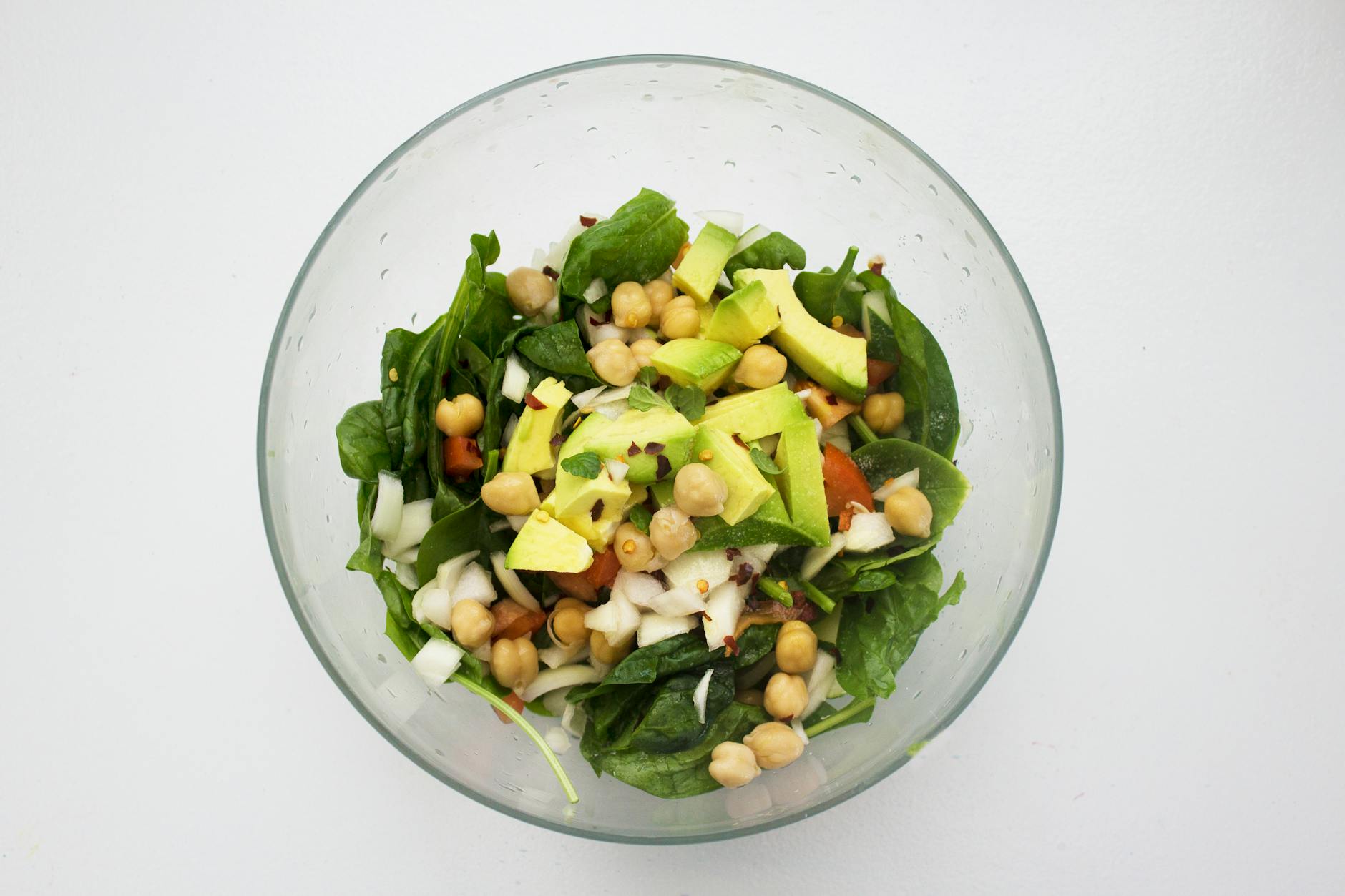
Promoting healthy eating is one thing. Giving people a tangible, beautifully designed takeaway that reinforces your message long after the session ends — that’s where the real impact happens. Custom branded healthy recipe cards for nutrition programs are quietly becoming one of the most effective and cost-efficient promotional tools available to health coaches, corporate wellness teams, schools, and community organisations across Australia. Whether you’re running a workplace wellbeing initiative in Melbourne, a school nutrition program in Brisbane, or a community health event in Perth, branded recipe cards offer something most promotional products can’t: genuine, everyday utility that keeps your brand front and centre in people’s homes and kitchens.
This guide walks you through everything you need to know — from design and decoration options through to print specifications, budgeting, and distribution — so you can make smart, informed decisions about your next nutrition program merchandise order.
Why Custom Branded Healthy Recipe Cards Work So Well for Nutrition Programs
Before diving into the “how,” it’s worth understanding the “why.” Promotional products succeed when they align with the recipient’s values and daily habits. A branded pen gets used at a desk. A branded water bottle — as explored in our guide to wholesale branded water bottles — gets used at the gym or office. Recipe cards get used in the kitchen, multiple times a week, by the whole household.
That’s an extraordinary level of brand exposure for a relatively low-cost item.
For nutrition programs specifically, branded recipe cards serve a dual purpose. They reinforce the educational content delivered during workshops, seminars, or health consultations, and they continue to communicate your organisation’s values — health, community, wellbeing, and care — every time someone pulls them out to cook dinner. That’s a level of passive engagement that digital content simply can’t replicate with the same intimacy.
The Audiences That Benefit Most
Custom branded healthy recipe cards for nutrition programs are well suited to a wide range of Australian organisations:
- Corporate wellness programs — HR teams and wellbeing coordinators in Sydney and Melbourne are increasingly incorporating nutrition education into employee health initiatives. Recipe cards make a memorable handout at lunchtime seminars or wellness fairs.
- Schools and education providers — Primary and secondary schools running healthy eating programs can use recipe cards as take-home resources. They extend the classroom lesson into the family kitchen. For schools already investing in merchandise for students, this fits naturally alongside broader school sport merchandise and wellness initiatives.
- Health and fitness businesses — Gyms, personal trainers, naturopaths, and dietitians can use recipe cards as a value-add for new clients, reinforcing their expertise and brand at home.
- Government health departments and councils — Community-facing programs in states like Queensland, South Australia, and the Northern Territory often require culturally inclusive, multilingual health materials. Recipe cards can be adapted for diverse communities.
- Charities and not-for-profits — Organisations running food literacy programs or nutrition access initiatives can use recipe cards as part of hampers or information kits.
Design Essentials for Custom Branded Recipe Cards
Getting the design right is critical. Recipe cards need to be both visually appealing and highly functional — they’re being used in a kitchen environment, which means they need to be readable at a glance, easy to follow, and ideally resistant to the odd splash of olive oil.
Format and Size Options
The most popular format for branded recipe cards is A5 (148mm × 210mm), which offers enough space to include ingredients, method steps, and your branding without feeling cluttered. A6 (105mm × 148mm) cards are a more compact option, great for simple recipes or as part of a set.
Double-sided printing allows you to include your recipe on one side and your brand story, nutrition tips, or contact details on the other. For programs with multiple recipes, consider a card set format — a stack of six to twelve cards held together with a custom-branded belly band or housed in a printed sleeve. This format elevates the perceived value significantly and makes for a more impressive giveaway at events or in welcome packs.
Paper Stock and Finishing
Don’t underestimate the impact of paper quality. For recipe cards, a minimum of 350gsm card stock is recommended — heavy enough to feel premium and sturdy enough to be propped up on a bench. Popular finishing options include:
- Gloss lamination — Adds a protective coating that’s easier to wipe clean. Ideal for kitchen use.
- Matte lamination — A more premium, understated look. Slightly less resistant to moisture but very popular for health and wellness branding.
- Soft-touch laminate — A velvety finish that feels luxurious in the hand. Great for premium corporate wellness programs.
- Spot UV coating — Selectively glossy elements on a matte background, often used to highlight logos or headings.
Rounded corners are a small but impactful finishing touch that makes the cards feel more polished and professional.
Artwork and Branding Requirements
Your artwork should be supplied as a vector file (AI, EPS, or high-resolution PDF) with fonts embedded and images at a minimum of 300dpi. PMS colour matching is available for organisations with strict brand guidelines — important for government departments, universities, or health brands where consistency across materials is non-negotiable.
If your program is part of a broader branded campaign, think about how the recipe cards coordinate with other collateral. For instance, a wellness program might pair recipe cards with branded sticky notes for meal planning, promotional jute bags for carrying fresh produce, or branded plant pots as part of a grow-your-own-herbs activation.
Printing and Decoration Methods for Recipe Cards
Unlike apparel — where you’d weigh up options as covered in our screen printing vs embroidery comparison — recipe cards are almost exclusively produced via digital or offset printing. Here’s what to know about each:
Digital Printing
Digital printing is ideal for smaller runs — typically 50 to 500 units — and offers fast turnaround times, often within five to seven business days once artwork is approved. It’s cost-effective for programs that need multiple different card designs within the same order, as there are no plate setup fees and switching between designs is straightforward. Colour accuracy is excellent for most purposes, though it doesn’t match the precision of offset.
Offset Printing
For larger volumes — 500 cards and above — offset printing delivers superior colour consistency, sharper detail, and a more commercial-quality finish. Setup costs are higher (due to plate creation), but the per-unit cost drops significantly at scale. A community health organisation running a state-wide nutrition program across South Australia or Western Australia, for example, would find offset printing considerably more economical for runs in the thousands.
Minimum Order Quantities and Lead Times
MOQs vary by supplier, but most Australian print and promotional product providers offer recipe card sets from as low as 50 units for digital printing. For full card sets with packaging, MOQs are typically 100 to 250 units. Allow four to six weeks for a full project from briefing to delivery if you’re starting from scratch with new content and design — or two to three weeks if artwork is ready to go.
Budgeting for Your Recipe Card Campaign
Recipe cards are an impressively budget-friendly promotional product when you consider their utility and shelf life. As a general guide:
- Basic A5 double-sided cards (digital print, 350gsm gloss): $0.80–$1.50 per card at 250 units
- Premium card sets of 8–10 cards with belly band: $4.00–$8.00 per set at 100 units
- Fully packaged sets with printed sleeve or box: $8.00–$15.00 per set depending on finishing
These price ranges don’t include freight, which varies depending on delivery location — metro versus regional areas in Tasmania, Queensland, or the Northern Territory, for instance, can attract different costs. Always factor in freight early when budgeting a campaign.
For organisations keen to stay current with what’s resonating in the market, our look at promotional product trends in Australia offers useful context on how health and wellness products are evolving alongside broader consumer preferences.
Pairing Recipe Cards With Complementary Promotional Products
Recipe cards are most powerful when they’re part of a broader promotional product strategy. Think of them as the centrepiece of a nutrition program gift pack rather than a standalone item. Some strong pairing options include:
- Branded reusable water bottles — Reinforces the hydration message alongside healthy eating. Our wholesale branded water bottles guide covers the best options for bulk buying.
- Custom tote or jute bags — A promotional jute bag makes a fantastic carrier for a full nutrition kit, eco-aligned and practical.
- Branded stationery — A custom notepad or sticky note set for journalling food diaries or meal planning ties in beautifully with a recipe card campaign.
- Eco-friendly products — Organisations with a sustainability focus will appreciate pairing recipe cards with bamboo or recycled-material products. Our sustainability brand guide covers how to align your product choices with your environmental values.
For events specifically — whether a corporate wellness day, a school health expo, or a trade show nutrition booth — pairing recipe cards with engaging trade show booth design strategies can significantly increase foot traffic and takeaway value.
Distribution Strategies That Maximise Impact
Producing great recipe cards is only half the job. Getting them into the right hands, at the right moment, is what drives genuine behaviour change and brand recall. Here are some proven distribution approaches:
- Workshop and seminar handouts: Distribute at the close of a session so attendees leave with both the memory of your content and a physical reference tool.
- Welcome packs: Include in onboarding kits for new gym members, corporate wellness program participants, or community health program enrolees.
- Event activations: Place at booths or stands during health expos, workplace wellness days, or school fairs. Having a “take one” display encourages casual pick-up.
- Mail-out campaigns: For regional or rural health programs reaching communities across outback Queensland or remote Western Australia, mailing recipe card sets directly to participants can bridge the access gap effectively.
- Retail or clinic display: Nutritionists, GPs, and health food stores can display card sets at the counter as a value-add or client gift — particularly relevant in the current health-conscious climate of 2026.
Conclusion: Key Takeaways
Custom branded healthy recipe cards for nutrition programs represent one of the most practical, values-aligned, and cost-effective promotional products available to Australian health organisations, schools, and businesses. When designed well and distributed thoughtfully, they extend the reach of your nutrition message into people’s daily lives in a way few other products can match.
Here are the key points to carry forward as you plan your recipe card campaign:
- Prioritise quality materials — Gloss or matte laminated 350gsm card stock ensures your cards last in kitchen environments and feel premium in the hand.
- Design for function first — Readability, clear steps, and sufficient whitespace matter more than being overly decorative. The recipe must actually be usable.
- Think in sets, not singles — A curated set of six to twelve recipes with packaging elevates the perceived value dramatically and makes for a far more impressive program handout.
- Bundle with complementary products — Recipe cards paired with branded bags, water bottles, or stationery create a more cohesive and memorable nutrition program experience.
- Plan your lead times — Budget four to six weeks from brief to delivery for new projects, and communicate artwork requirements to your supplier early to avoid delays.
With the right planning and a clear understanding of your audience, custom branded healthy recipe cards can become one of the most impactful tools in your health and wellness promotional toolkit.