
Custom Labelled Matcha Powder for Health Cafe Merchandise: A Complete Guide
Discover how health cafes and wellness brands across Australia can use custom labelled matcha powder to boost brand visibility and customer loyalty.

Written by
Imogen Park
Stationery & Office
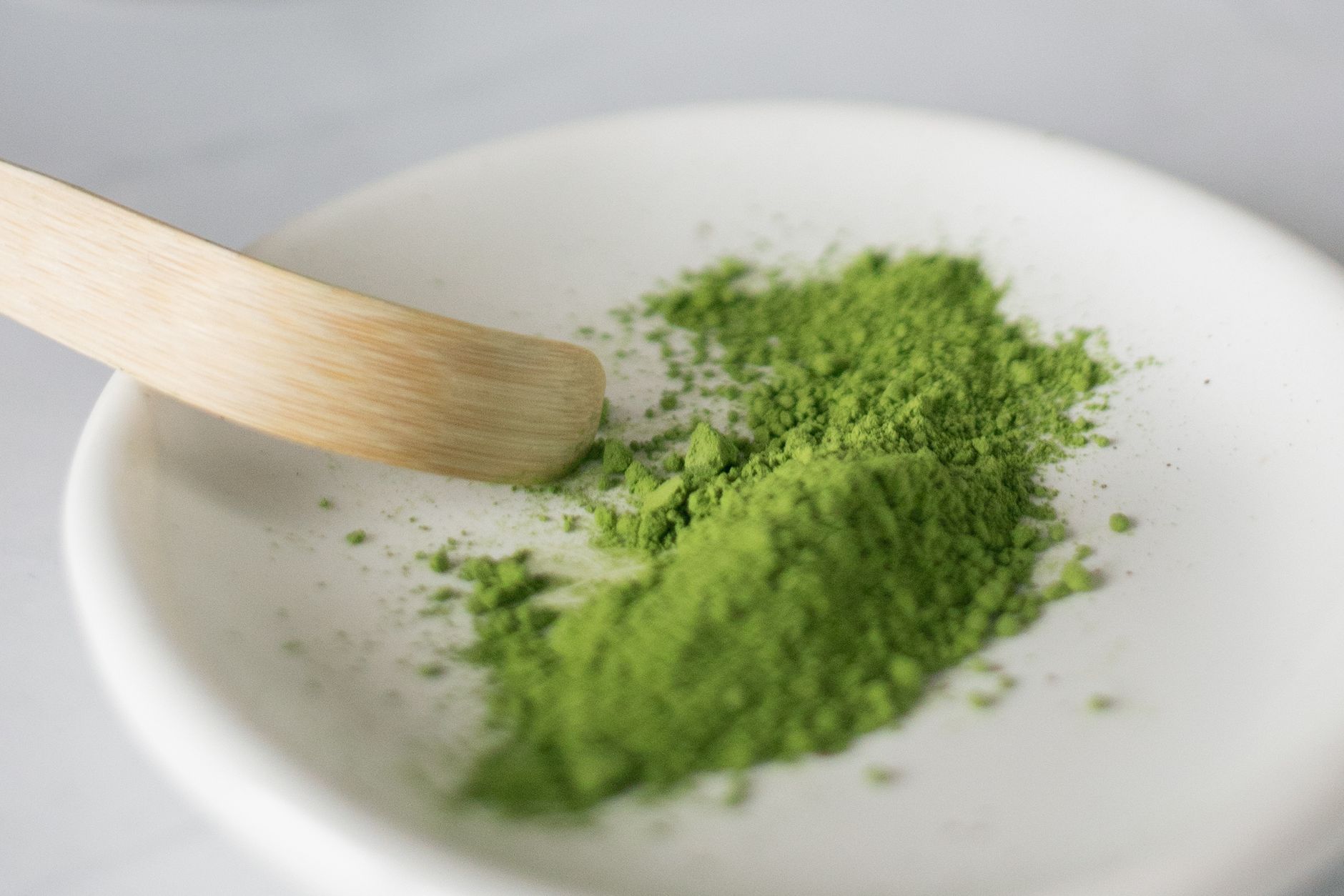
Matcha has gone from a niche Japanese tea ceremony staple to one of the most talked-about wellness ingredients across Australia. From boutique health cafes in Melbourne’s Fitzroy to smoothie bars along the Gold Coast beachfront, matcha-infused menus are everywhere — and savvy business owners are discovering that custom labelled matcha powder is one of the most effective branded merchandise products they can offer. Whether you’re looking to create a memorable retail experience, strengthen customer loyalty, or generate buzz at your next wellness event, branded matcha products tick a remarkable number of boxes. This guide walks you through everything you need to know.
Why Custom Labelled Matcha Powder Makes Sense for Health Cafes
The branded merchandise world has evolved dramatically in recent years. Consumers are no longer impressed by generic pens and tote bags — they want products that genuinely align with the values and lifestyle of the brands they support. For health cafes and wellness businesses, custom labelled matcha powder sits perfectly at that intersection of utility, quality, and brand storytelling.
Think about it from your customer’s perspective. They visit your cafe in Adelaide or Brisbane, fall in love with your signature matcha latte, and then spot a beautifully packaged tin of your own branded matcha on the counter. That’s an impulse purchase driven by genuine love for your product — not pressure selling. It creates a connection between your brand and a positive daily ritual in their home.
Beyond retail sales, custom matcha products work exceptionally well as:
- Corporate wellness gifts for businesses investing in employee health programmes
- Conference and event merchandise for food, wellness, or lifestyle expos
- Loyalty rewards for frequent customers
- Subscription box add-ons for health and wellness brands with an online presence
- Seasonal gift packs paired with other branded items (we’ll touch on how this works later)
If you’re keeping an eye on [the latest promotional products trends in Australia](/ promotional-products-trends-in-australia-2024/), you’ll notice that experiential and consumable branded products have been gaining significant traction. Matcha fits squarely into this category.
Understanding the Product: What Goes Into Custom Labelled Matcha
Before you start designing labels and placing orders, it’s worth understanding what you’re actually sourcing.
Matcha Grades and Quality
Matcha powder is typically categorised into ceremonial grade (the highest quality, intended for drinking as tea) and culinary grade (used in cooking, baking, and blended drinks). For a health cafe merchandise product, ceremonial or premium culinary grade is almost always the right choice. Your customers expect quality that matches the premium experience they associate with your brand.
Most Australian suppliers source matcha from Japan (particularly Uji in Kyoto prefecture or Nishio in Aichi) or increasingly from domestic and Taiwanese producers. When vetting suppliers, ask specifically about:
- Origin and farm sourcing transparency
- Harvest season (first harvest or “ichibancha” is premium quality)
- Colour intensity (vibrant green indicates freshness and quality)
- Whether the product meets Australian food safety and import requirements
Packaging Formats Available
Custom labelled matcha powder typically comes in a few formats:
- Resealable stand-up pouches (50g, 100g, 200g) — popular for retail because they’re practical and easy to label
- Metal tins with lids — premium feel, excellent shelf presence, ideal for gifting
- Glass jars — great for health-conscious brands wanting to emphasise sustainability
- Single-serve sachets — perfect for sampling programmes or conference giveaways
Each format has different labelling requirements, so your artwork needs to be adapted accordingly.
Labelling, Branding, and Artwork for Your Custom Matcha Products
This is where your merchandise really comes to life. Custom labelling transforms a generic product into a brand asset.
Label Design Considerations
Your label needs to do several things at once: communicate your brand identity, comply with Australian food labelling regulations, and look genuinely appealing on a shelf. Key elements to include:
- Brand name and logo
- Product name (e.g., “Premium Ceremonial Matcha” or “Barista Blend Matcha Powder”)
- Weight (net weight in grams)
- Ingredients list and allergen information
- Country of origin
- Storage instructions
- Best before date (or space for it to be added)
- Contact details or website
If you’re ordering through a promotional merchandise supplier rather than a specialist food packager, make sure they have experience with food-compliant labelling. Not all promo suppliers handle this category, so it’s worth asking upfront.
Decoration Methods for Packaging
For pouches and tins, digital printing directly onto labels is the most common approach and allows for full-colour, photo-quality artwork. If you’re going for a premium tin, embossed labels or foil-stamped finishes add a luxury feel that justifies a higher retail price point. Matte laminate finishes are popular in the health and wellness space for their clean, minimal aesthetic.
For inspiration on how decoration methods affect overall product presentation, it’s worth reading our guide to screen printing vs embroidery for custom uniforms — while that post covers apparel, the principles of choosing the right technique for your brand identity apply across product categories.
Minimum Order Quantities, Pricing, and Lead Times
Let’s get into the practical side of ordering — because this is often where health cafe owners get caught off guard.
Typical MOQs for Custom Labelled Matcha
Minimum order quantities vary depending on your supplier and the format you choose. As a general guide:
- Pouches with custom labels: MOQs of around 50–200 units are common for smaller runs
- Custom-printed tins: Often higher MOQs of 200–500 units, due to manufacturing setup
- Bulk matcha with white-label packaging: MOQs can be as low as 20–50 units if you’re applying labels independently
For a small cafe in Darwin or Hobart just starting out with merchandise, starting with a pouch format and a lower MOQ is a smart way to test market appetite before committing to larger runs.
Budget Considerations
Pricing depends on matcha quality, packaging format, and decoration complexity. As a rough guide for 2026:
- Basic custom-labelled pouches (100g): $8–$18 per unit at volume
- Premium custom-printed tins (100g): $15–$30 per unit at volume
- Single-serve sachets (custom labelled): $2–$5 per unit
These figures can shift significantly based on quantity, so always request tiered pricing. Remember to factor in setup fees, which can range from $50 to $200 depending on the supplier.
If you’re trying to understand the broader ROI of promotional merchandise investments, our promotional drinkware ROI data offers useful benchmarks that can help you build a business case for branded consumables.
Lead Times
Allow 4–8 weeks from artwork approval to delivery for most custom food packaging projects. If you’re ordering for a specific event — say, a wellness expo in Sydney or a product launch in Perth — build in buffer time. Rush orders are sometimes possible but typically attract premium charges.
Creative Merchandising Ideas: Pairing Matcha With Other Branded Products
Custom labelled matcha powder really shines when it’s part of a broader branded merchandise strategy. Here are some combinations that work beautifully for health cafes and wellness brands:
The Wellness Gift Pack
Bundle your custom matcha with a branded keep cup or reusable water bottle, a branded bamboo spoon or matcha whisk, and a small card with a recipe. Package it in a custom-branded box or a branded jute bag for an elevated gifting experience. These sets work exceptionally well as corporate wellness gifts or seasonal presents.
The Sampling Programme
Single-serve sachets with your branding are ideal for in-cafe sampling or as add-ons to takeaway orders. This approach mirrors what you’d see at food and trade events — speaking of which, if you’re planning a booth presence, our guide to trade show booth designs has excellent practical advice for maximising your visibility.
Holiday and Seasonal Bundles
For Christmas and end-of-year gifting, custom matcha pairs well with promotional chocolate boxes or custom lolly assortments for a contrast-and-complement gift set that appeals to health-conscious consumers who still enjoy a treat.
Community Events and School Programmes
Health cafes that work with community organisations, schools, or sporting clubs can incorporate branded matcha products into wellness education initiatives. If you’re involved with school sport programmes, you might also find value in exploring school sport merchandise options for a complementary product range.
Sourcing and Supplier Selection: What to Look For in Australia
Finding the right supplier is critical when it comes to branded food products. Unlike a branded USB drive or a custom notebook, a food product touches your customer’s health — which means supplier vetting matters enormously.
Key questions to ask any supplier:
- Do you hold relevant food safety certifications (e.g., HACCP)?
- Can you provide certificate of analysis documentation for each batch?
- What is your shelf life guarantee on the product?
- Do you have experience with Australian food labelling compliance?
- Can you provide physical samples before committing to a full order?
If you’re based in regional areas like Newcastle, it’s also worth knowing that many suppliers ship nationally — promotional product suppliers in Newcastle and other regional centres have access to the same quality options as major metro businesses.
Conclusion: Key Takeaways for Health Cafes Ordering Custom Matcha Merchandise
Custom labelled matcha powder is a genuinely smart merchandise investment for health cafes, wellness brands, and any business wanting to align their promotional products with a health-conscious audience. Done well, it extends your brand into your customers’ daily rituals and creates real, ongoing value.
Here’s a summary of the most important points to keep in mind:
- Prioritise quality — the matcha inside the packaging matters as much as the label on the outside; sourcing ceremonial or premium culinary grade from reputable origins protects your brand reputation
- Plan your packaging format early — pouches, tins, and sachets each suit different use cases and budgets, so choose based on your distribution channel and target customer
- Budget for compliance — Australian food labelling regulations are non-negotiable; work with suppliers who understand these requirements and factor compliance costs into your project budget
- Bundle strategically — custom matcha works best as part of a broader gift set or merchandise pack, especially when paired with drinkware or eco-friendly accessories
- Start small, then scale — begin with a lower MOQ run to test customer response before committing to large volumes, particularly if this is your first foray into branded food merchandise
Whether you’re a single-location health cafe in Canberra or a multi-site wellness brand expanding across Queensland, custom labelled matcha powder is a merchandise opportunity worth exploring seriously in 2026.