
Custom Recycled Gym Bags Australia
Learn about custom recycled gym bags australia for Australian businesses. Expert tips and advice from PromoScope Australia.

Written by
Louie Martinez
Bags & Totes
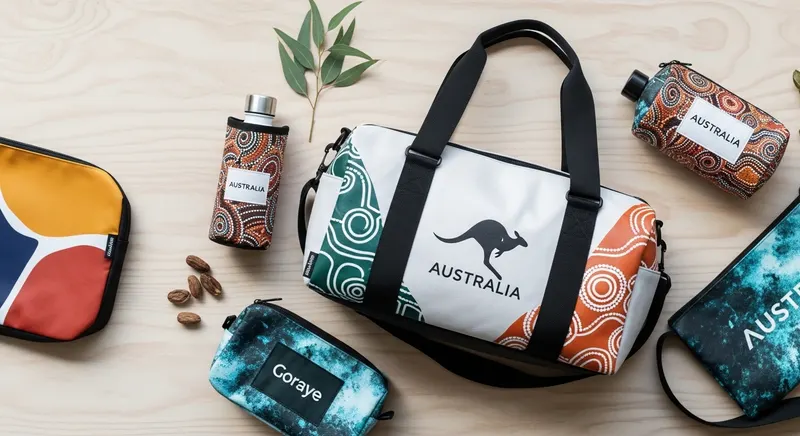
Choosing the right bag for your next promotional campaign involves far more than picking a style and slapping on a logo. When you’re sourcing custom recycled gym bags in Australia, you’re making a statement about your organisation’s values, your environmental commitment, and the kind of lasting impression you want to leave with staff, students, clients, or event attendees. Recycled gym bags have surged in popularity across Australian corporates, schools, and sporting organisations — and it’s not hard to see why. They’re practical, well-received, and increasingly expected by audiences who care about where their branded merchandise comes from.
Why Custom Recycled Gym Bags Are Gaining Traction in Australia
The shift toward sustainable promotional products isn’t a passing trend in Australia — it’s a genuine cultural change in how organisations think about branded merchandise. A Sydney financial services firm distributing recycled gym bags at their annual wellness day sends a very different message than handing out single-use plastic tote bags. The product itself becomes part of the brand story.
Recycled gym bags are most commonly made from rPET (recycled polyester), a material derived from post-consumer plastic bottles. A single medium-sized rPET gym bag might divert anywhere from six to twelve plastic bottles from landfill — a talking point that resonates strongly with modern audiences. Some products also incorporate recycled cotton, recycled nylon, or ocean-bound plastics, giving you further environmental credentials to communicate.
From a practical standpoint, gym bags are one of the most used and visible promotional products available. Unlike a branded pen that lives in a drawer, a gym bag goes to the office, the school oval, the gym, the beach, and the weekend markets. That kind of repeated, public visibility creates significant brand exposure — especially when the decoration is well-executed and the bag is genuinely high quality.
If you’re weighing up different eco-friendly bag options for an upcoming campaign, our guide to eco-friendly promotional bags for Australian organisations covers the broader landscape of sustainable bag choices worth considering.
Understanding the Product: What Makes a Recycled Gym Bag
Not all recycled gym bags are created equal, and understanding the product categories will help you make a much smarter purchasing decision.
rPET Duffel Bags
The classic gym duffel format remains the most popular option for promotional gym bags. Typically featuring a main zipped compartment, carry handles, and a detachable or fixed shoulder strap, these bags suit everything from corporate wellness programs to school sport packs. rPET duffels are available in a wide range of sizes — from compact 20-litre bags up to large 50-litre travel-capable duffels.
Drawstring Gym Bags
A more economical option, recycled drawstring bags are ideal when budget is a primary consideration and volume is high. A Brisbane school ordering 500 bags for their annual sports carnival, for example, might find that recycled drawstring bags offer the best balance of sustainability, impact, and affordability. They’re lightweight, easy to store, and lend themselves well to bold, full-colour branding.
Barrel Bags and Holdalls
For a premium feel, recycled barrel bags or holdall-style gym bags offer a more structured, sophisticated silhouette. These tend to be popular with corporate gyms, university student packages, and high-end conference merchandise kits. If your organisation wants to present a polished, professional image alongside an eco-friendly message, barrel bags are worth the additional investment.
For more detail on choosing between bag formats for different audience types, take a look at our overview of promotional bag styles and their best uses.
Decoration Methods for Recycled Gym Bags
Getting your logo right on a recycled gym bag requires matching the right decoration method to the material and your artwork. Here’s what you need to know.
Screen Printing
Screen printing is the most common method for printing on gym bag fabrics. It delivers vibrant, durable results and is cost-effective at volume. For rPET fabrics, screen printing works well on flat panels and handles consistent, block-based artwork particularly effectively. It’s ideal for orders of 50 units or more, where setup costs are spread across a reasonable quantity.
Embroidery
For a more premium, textured finish, embroidery adds a tactile quality that clients and recipients genuinely appreciate. It works particularly well on structured panels — for example, on the front zip pocket of a duffel bag. One important consideration: intricate fine-detail logos don’t always translate well into embroidery, so simplified versions of your artwork may be needed. Our comparison of screen printing vs embroidery for promotional products is a useful starting point if you’re unsure which direction to take.
Heat Transfer and Digital Transfers
Heat transfer printing allows for full-colour, photographic-quality designs to be applied to bag panels. This method suits organisations with complex, multi-colour logos or gradient-heavy artwork. It’s particularly useful for smaller runs where screen printing setup costs would be prohibitive.
Sublimation
Sublimation printing is best suited to bags made entirely from polyester-based materials — which actually makes rPET gym bags a natural fit. Full sublimation can produce edge-to-edge, all-over prints with rich colour depth. For a Melbourne sporting club or a Gold Coast events company wanting genuinely eye-catching merch, sublimation on rPET bags creates a premium visual impact that’s hard to match.
Ordering Custom Recycled Gym Bags: Practical Considerations
Before you finalise your order, there are several practical factors that can significantly affect your outcome — and your budget.
Minimum Order Quantities
For most custom recycled gym bags in Australia, you can expect minimum order quantities (MOQs) of 25 to 50 units for standard decorated bags, with some suppliers going as low as 12 units for simpler decoration methods. If you’re ordering for a large corporate event or school community, you may be looking at quantities of 200 to 500-plus, which typically unlocks substantially better per-unit pricing.
Lead Times and Turnaround
Standard production and delivery for custom gym bags typically runs 10 to 15 business days from artwork approval, though this can stretch to three to four weeks for overseas-produced stock. If you’re working toward a fixed event date — say, a Perth corporate wellness week or a Canberra school athletics carnival — always build in buffer time and confirm timelines upfront. Rush orders are sometimes available but often attract premium pricing.
Artwork Requirements
Supplying your artwork in vector format (AI, EPS, or print-quality PDF) will always give you the best results. Low-resolution PNG or JPEG files often can’t be reproduced cleanly, particularly for embroidery or screen printing. If your artwork needs preparation, factor in additional time and potentially a small artwork fee. For help understanding what suppliers need from you, our artwork requirements guide for promotional products walks through the key file types and setup considerations.
Budgeting Realistically
For recycled gym bags, expect to pay a premium of 10 to 25% over comparable non-recycled alternatives — a reflection of the higher cost of certified rPET materials. However, this premium is increasingly justified to stakeholders, clients, and communities who are actively looking for evidence of sustainable practice. Broad price ranges in the Australian market sit roughly between $8 and $35 per unit at volume, depending on bag size, construction quality, and decoration complexity.
Our budgeting guide for promotional product campaigns can help you model costs across different quantity tiers before you commit.
Best Use Cases for Custom Recycled Gym Bags
Understanding where recycled gym bags perform best as a promotional vehicle helps you match product to purpose.
Corporate Wellness Programmes
Organisations across Sydney, Melbourne, and Brisbane are integrating gym bags into employee wellness initiatives — pairing them with branded water bottles, resistance bands, and health literature. As a welcome pack or milestone reward, a quality recycled gym bag reinforces a workplace culture that values people and the environment equally.
Schools and Sporting Clubs
From Adelaide primary schools to Darwin junior football clubs, recycled gym bags make an excellent practical gift for students and young athletes. They’re durable enough for everyday use, capacious enough for gear and kits, and the sustainability angle is increasingly part of school curriculum conversations. Read our guide to promotional products for schools and sporting clubs for more ideas on engaging young audiences with branded merchandise.
University and TAFE O-Week Packs
Universities across Australia have been steadily transitioning their orientation packs from cheap plastic bags to quality sustainable alternatives. An rPET gym bag filled with branded stationery, campus merchandise, and student resources creates a genuinely valuable pack that new students will use beyond the first week.
Events, Conferences, and Trade Shows
A well-branded recycled gym bag as a conference carry-all or trade show giveaway does double duty — it holds all the event materials on the day, then becomes a billboard for your brand for months or years afterward. For event-focused merchandise strategies, our promotional products guide for conferences and trade shows covers everything from product selection to logistics.
Government and Council Campaigns
Local councils and state government departments running sustainability, health, or community engagement campaigns have found recycled gym bags to be highly effective distribution items. Whether it’s a Brisbane City Council active transport initiative or a Victorian state government health program, the product reinforces the campaign message intrinsically.
Certifications and Transparency to Look For
When sourcing custom recycled gym bags in Australia, it’s worth asking your supplier about material certifications and supply chain transparency. Key things to look for include:
- GRS (Global Recycled Standard) certification — verifies that recycled content claims are accurate and traceable
- Oeko-Tex certification — confirms the material is free from harmful substances
- Country of origin documentation — important for organisations with ethical sourcing policies
- Percentage of recycled content — some bags are partially recycled; look for products that are 100% rPET where possible
Government departments and larger corporates in particular often require evidence of these certifications as part of procurement processes. Our guide to sustainable promotional products and certifications explains what these labels mean in practical terms.
Conclusion: Key Takeaways
Custom recycled gym bags are one of the most versatile, high-visibility, and values-aligned promotional products available to Australian organisations today. Whether you’re running a corporate wellness campaign, outfitting a school sports programme, or building a standout conference pack, they deliver real utility alongside a genuine sustainability message.
Here are the key things to remember as you plan your order:
- rPET (recycled polyester) is the most common and practical material for recycled gym bags, offering durability, printability, and measurable environmental impact
- Decoration method matters — match screen printing, embroidery, heat transfer, or sublimation to your artwork style and quantity
- MOQs typically start from 25 to 50 units, with better per-unit pricing at 200-plus quantities
- Build sufficient lead time — allow at least three to four weeks from artwork approval to delivery, especially for event-critical orders
- Ask for certifications like GRS or Oeko-Tex to back up any sustainability claims you make to your audience
- The per-unit cost premium for recycled materials is modest relative to the reputational and environmental value they deliver
For organisations across Australia that want their branded merchandise to work harder — and mean more — custom recycled gym bags are an investment worth making thoughtfully.