
How to Build a Sustainability Brand with Eco-Friendly Promotional Products
Discover how Australian businesses and schools can use eco-friendly promotional products to build a genuine sustainability brand that resonates.

Written by
Summer Ahmed
Eco & Sustainable Products
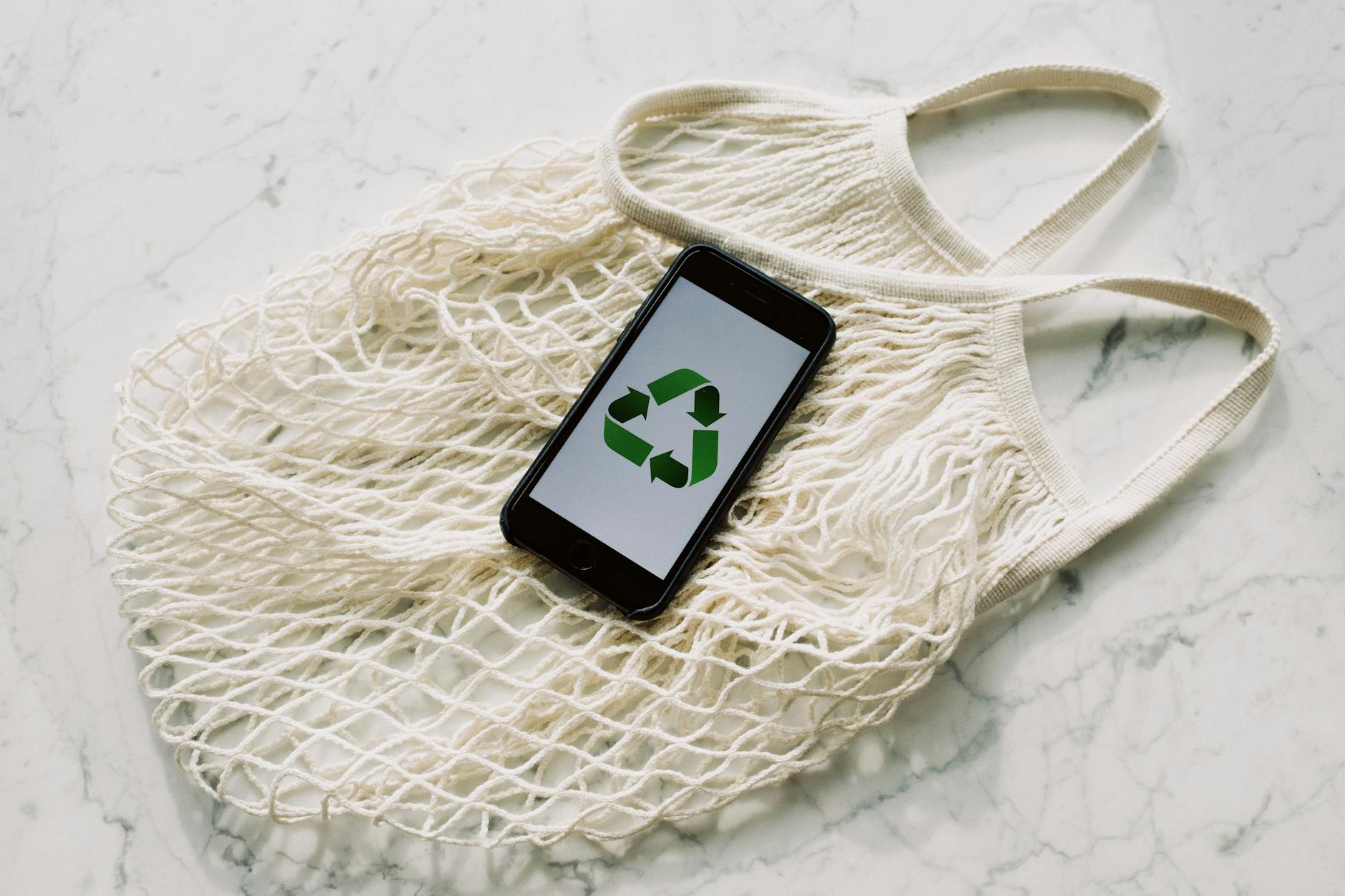
Building a sustainability brand isn’t just about slapping a green leaf logo on your website and calling it a day. For Australian businesses, schools, and organisations navigating a marketplace where consumers are increasingly values-driven, sustainability has become a core brand pillar — not an afterthought. The good news? Promotional products are one of the most practical, visible, and cost-effective ways to demonstrate your environmental commitment in a tangible, everyday way. From reusable drinkware to recycled stationery and bamboo gifts, the right branded merchandise can do heavy lifting for your reputation — long after an event, campaign, or school term has ended.
Why Sustainability Brand Strategy Matters More Than Ever in 2026
Australian consumers and stakeholders have grown significantly more sophisticated in their expectations. Greenwashing — the practice of making vague or unsubstantiated environmental claims — is now being called out loudly by media, advocacy groups, and even regulatory bodies. That means your sustainability brand needs to be built on genuine choices, not just marketing language.
This shift in expectations is particularly relevant when it comes to branded merchandise. If you’re handing out single-use plastic items at your next conference or trade show while your brand website talks up your environmental commitments, the disconnect is glaring. Conversely, when the products you put your logo on genuinely reflect your values — reusable, recycled, responsibly sourced — every branded item becomes a conversation starter about what your organisation stands for.
According to data and promotional products trends in Australia for 2024, eco-friendly merchandise categories have seen some of the strongest growth in recent years, with drinkware, bags, and stationery leading the charge. And critically, these items tend to have long usage lives — meaning your brand stays front of mind far longer than a digital ad impression.
The Connection Between Branded Merch and Brand Perception
Think about the last time you received a well-made, genuinely useful branded item. It probably left a positive impression of that organisation. Now imagine it was made from recycled materials or a sustainably sourced material like bamboo or jute. That impression becomes even stronger — and more memorable.
This is the real power of promotional products for a sustainability brand. They’re not just marketing collateral. They’re proof points. Physical, everyday-use items that say we walk the talk.
Choosing the Right Eco-Friendly Products for Your Sustainability Brand
Not all “eco-friendly” products are created equal. When curating your branded merchandise range with sustainability in mind, it’s worth understanding the difference between products that are genuinely low-impact and those that are simply marketed with green language.
Reusable Drinkware
Custom water bottles and keep cups remain the gold standard for sustainability-focused promotional products. They directly replace single-use plastic bottles and disposable coffee cups — items that are among Australia’s most common waste contributors.
If you’re looking at wholesale branded water bottles for your next campaign, consider materials like stainless steel, borosilicate glass, or recycled plastic (rPET). These have strong environmental credentials and are well-received by recipients across corporate, school, and event contexts. Stainless steel bottles in particular offer excellent longevity — a well-made bottle can last five to ten years, meaning your brand stays visible for the long haul.
For a sense of the ROI these items deliver, the promotional drinkware data from 2024 paints a compelling picture: branded drinkware generates more impressions per item than almost any other promotional product category, making it an efficient choice for sustainability-conscious brands with a budget to manage.
Jute and Recycled Bags
Tote bags made from jute, organic cotton, or recycled materials are another cornerstone of eco-friendly merchandise. Jute in particular is a standout — it’s a natural fibre, biodegradable, and requires far less water and pesticide to produce than conventional cotton.
If you haven’t considered a promotional jute bag for your next corporate event, sustainability expo, or community campaign, it’s worth a closer look. Jute bags are durable, carry significant print real estate for your branding, and communicate an environmental commitment immediately — without needing a single word of explanation.
Similarly, bags made from recycled PET (which diverts plastic bottles from landfill) are growing in popularity for corporate gifting and conference giveaways.
Bamboo and Plant-Based Products
Bamboo has become one of the most versatile and recognised sustainable materials in the promotional products world. It’s fast-growing, requires no pesticides, and produces a wide range of usable goods — from pens and notebooks to USB drives and desk accessories.
Bamboo stationery ranges are particularly well-suited to corporate settings and educational environments. For schools and TAFEs looking to align their merchandise with broader sustainability curriculum goals, branded bamboo stationery creates an on-message product that reinforces what students are learning in the classroom.
And don’t overlook more niche but increasingly popular options like promotional plant pots for kitchen and homewares brands. These types of products are perfect for brands in the lifestyle, wellness, or food space — where the product itself mirrors the sustainable values of the recipient.
Eco-Friendly Stationery and Office Products
Branded stationery made from recycled paper, seed paper (which can be planted after use), or FSC-certified wood pulp offers strong sustainability credentials. If you’re searching for stationery near you with eco-friendly options, it’s worth asking your supplier specifically about material certifications and supply chain transparency.
Recycled notebooks, bamboo pens, and seed paper notecards are particularly effective for sustainability-focused events, school fundraisers, and corporate gift packs.
Decoration Methods That Align With Your Sustainability Brand
The product itself is only half the equation. How you decorate it matters too — both for visual impact and environmental considerations.
Laser engraving, for example, requires no inks or chemicals and produces a clean, premium finish on bamboo, wood, and metal surfaces. It’s an excellent choice for sustainable gift items where you want a sophisticated result without chemical waste.
For fabric items like organic cotton t-shirts, tote bags, or recycled polyester apparel, understanding the difference between screen printing and embroidery is important. Water-based inks used in screen printing have a significantly lower environmental impact than traditional plastisol inks, so it’s worth asking your decorator which inks they use.
Sublimation printing — often used on drinkware and polyester apparel — produces virtually no waste product, as the ink is transferred as a gas. It’s another decoration method worth exploring for sustainability-focused merchandise.
Practical Tips for Building a Sustainability Brand Through Merchandise
Getting the product selection right is important, but so is the way you approach the entire process. Here are some practical considerations for Australian organisations looking to make their branded merch programme genuinely sustainable.
Start With a Clear Brief
Be specific about your sustainability goals. Are you trying to eliminate single-use items from your event? Reduce plastic? Source locally? Showcase recycled materials? Having a clear brief helps your supplier curate the right options rather than presenting generic “green” alternatives.
Understand MOQs and Lead Times
Many eco-friendly products have slightly higher minimum order quantities (MOQs) than standard alternatives, though this gap has narrowed considerably. For premium items like stainless steel water bottles or custom bamboo gift sets, expect MOQs of around 25–50 units for most suppliers. Lead times for eco-friendly items can run 2–3 weeks for stock items, or 4–6 weeks for custom production — so plan accordingly.
Consider the Full Lifecycle
Ask your supplier about packaging. Even if the product itself is sustainable, arriving in excessive plastic packaging undermines your message. Request recycled cardboard packaging where possible, and avoid unnecessary individual wrapping.
Budget Realistically
Eco-friendly products generally command a modest price premium over conventional alternatives, though the gap has narrowed considerably as demand has grown. That said, when you factor in the longevity of products like stainless steel bottles or high-quality jute bags, the cost-per-impression over time is often lower than cheaper, shorter-lived alternatives.
Sustainability Brand Applications Across Different Sectors
The eco-friendly merchandise approach works across virtually every sector and audience:
Corporate events and conferences: A Sydney-based financial services firm equipping conference attendees with branded bamboo notebooks, stainless steel bottles, and recycled tote bags sends a clear signal about organisational values — and gives delegates genuinely useful items they’ll keep. Check out trade show booth design ideas for inspiration on how to tie your sustainability brand into your physical presence.
Schools and education: A Melbourne primary school ordering organic cotton sports day t-shirts or bamboo pencil sets reinforces sustainability messaging in a hands-on way. See how school sport merchandise can be approached with eco-conscious product choices.
Events and promotions: Outdoor summer promotions in Brisbane or the Gold Coast can incorporate branded beach items made from recycled or natural materials, keeping the fun without the environmental cost.
Regional and community organisations: From Newcastle community groups to Perth councils, eco-friendly merchandise can be a powerful tool for organisations that serve and reflect the values of their local communities. Explore promotional products available in Newcastle and promotional calendars in Perth as starting points for building a locally relevant sustainability brand presence.
Conclusion: Key Takeaways for Building Your Sustainability Brand with Promotional Products
Building a sustainability brand is a long-term commitment, and your merchandise choices are one of the most visible and concrete expressions of that commitment. The right promotional products don’t just carry your logo — they carry your values.
Here are the key takeaways to guide your approach:
- Choose products with genuine environmental credentials — look for recycled materials, sustainably sourced fibres, and products that replace single-use alternatives, rather than items with superficial green marketing
- Match your decoration method to your values — water-based inks, laser engraving, and sublimation printing are all lower-impact options worth discussing with your decorator
- Think lifecycle, not just price — a $15 stainless steel water bottle used daily for five years delivers far more brand value and less environmental impact than a $3 plastic bottle used once
- Align your products with your audience — corporate teams, school communities, event attendees, and council stakeholders all respond to different product types, so tailor your selection accordingly
- Plan early — eco-friendly products may require slightly longer lead times, so build this into your project timeline to avoid last-minute compromises on sustainability
Your sustainability brand is built product by product, decision by decision. Make sure your promotional merchandise is telling the right story.