
Business Casual Men's Clothes: The Ultimate Guide to Branded Corporate Apparel
Discover how to choose and brand business casual men's clothes for corporate uniforms, events, and staff merch in Australia. Expert tips inside.

Written by
Wyatt Chen
Custom Apparel
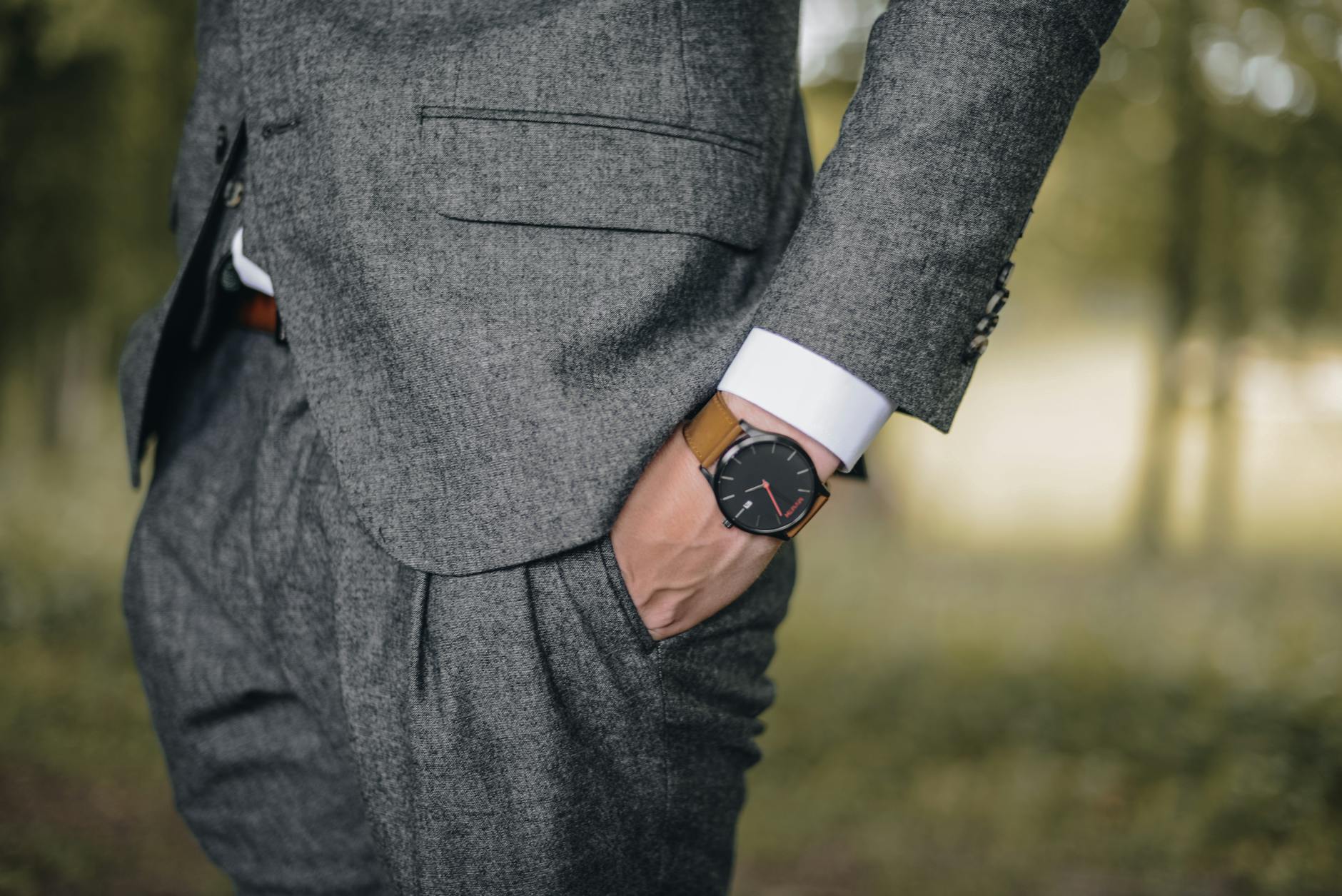
When it comes to presenting a professional image, few decisions carry as much weight as what your team wears. Business casual men’s clothes sit in a sweet spot — polished enough to convey credibility, relaxed enough to keep people comfortable throughout a demanding workday. For Australian businesses, schools, and organisations looking to kit out their staff with branded apparel, understanding this category is absolutely essential. Whether you’re outfitting a Perth financial services firm, dressing a Brisbane sales team for a trade show, or providing corporate uniforms for a Sydney co-working space, getting the balance right between style, functionality, and brand representation can make a lasting impression on clients and colleagues alike.
What Does “Business Casual” Actually Mean for Men’s Corporate Apparel?
The term “business casual” can mean different things depending on the industry and workplace culture. In an Australian context, it generally refers to clothing that is professional and neat, but doesn’t require a full suit and tie. Think collared shirts, chinos, smart trousers, polo shirts, and lightweight jackets. It’s the dress code you’d expect at a relaxed client meeting, a corporate open day, or a team conference.
For branded merchandise purposes, the business casual category for men typically includes:
- Polo shirts – perhaps the most versatile staple, suitable for nearly every industry
- Button-up dress shirts – ideal for client-facing roles and formal corporate events
- Quarter-zip and merino knitwear – perfect for layering in air-conditioned offices
- Chino-style trousers – a smart alternative to jeans that still feels approachable
- Lightweight blazers and jackets – great for conferences and networking events
Understanding what falls under this umbrella helps you make smarter decisions when briefing your promotional products supplier and selecting items that genuinely reflect your brand identity.
Why Branded Business Casual Men’s Clothes Matter for Australian Organisations
There’s a reason so many Australian businesses invest in branded clothing year after year — it works. Branded apparel functions as a walking advertisement, reinforcing brand recognition every time a staff member is seen by a client, a passerby, or even a social media follower. But beyond visibility, there’s a more subtle benefit: consistency.
When your team looks cohesive and professional, it builds trust. A Melbourne marketing agency whose account managers all wear branded polo shirts signals to clients that the business is organised and detail-oriented. A Gold Coast real estate agency whose team rocks matching button-up shirts at an open home creates an immediate sense of authority and approachability.
Branded business casual clothing also matters for:
- Staff morale and team identity – people feel part of something when they wear a shared uniform
- Trade shows and expos – making your staff instantly identifiable on a crowded floor (see our guide to effective trade show booth designs for more on maximising your brand presence at events)
- Corporate gifting – premium branded apparel is a thoughtful, high-perceived-value gift for clients and long-term staff
It’s worth noting that business casual men’s clothing occupies a particularly interesting space in the promotional products world. Unlike a branded pen or a custom USB drive, apparel is worn publicly and consistently — making it one of the highest-impact branded items you can invest in.
Choosing the Right Decoration Method for Business Casual Apparel
One of the most important decisions you’ll make when ordering branded business casual clothes for men is how you’ll apply your logo and branding. The decoration method affects not only the look of the final product but also the feel, durability, and cost per unit.
Embroidery
Embroidery is widely regarded as the gold standard for business casual corporate clothing. It gives logos a tactile, premium appearance that holds up beautifully through repeated washing. It works particularly well on polo shirts, dress shirts, and zip-up knitwear. The main consideration is complexity — intricate logos with many fine details can be tricky to reproduce accurately in thread form.
Screen Printing
Screen printing is a cost-effective option for larger quantities and simpler designs. It’s brilliant for solid colours and bold branding but isn’t always the best fit for high-end business casual garments where a more refined finish is expected. For a detailed breakdown of when to use each method, check out our comparison of screen printing vs embroidery for custom uniforms.
Heat Transfer and Digital Printing
These methods allow for more complex, multi-colour artwork reproduction on fabrics that don’t suit screen printing or embroidery. They’re increasingly popular for performance fabrics used in modern business casual shirts.
Laser Engraving and Debossing
Less common on clothing but occasionally used on leather patches, belt accessories, or metal buttons on premium jackets, these methods add a sophisticated, high-end touch.
Key Considerations When Ordering Branded Men’s Business Casual Clothing
Getting your order right involves more than choosing a shirt style and adding a logo. Here’s what you need to think through before confirming your order.
Minimum Order Quantities (MOQs)
Most promotional apparel suppliers in Australia work with MOQs — the minimum number of units you need to order for a particular product or decoration setup. For embroidered polos, you might be looking at a minimum of 12–24 units. Screen-printed shirts might have slightly different thresholds. If you’re a smaller organisation, it’s worth discussing flexible options with your supplier early in the process.
Sizing and Fit
Business casual men’s clothes need to fit well to look professional. When ordering in bulk, ensure you’re covering a realistic spread of sizes from S through to 3XL or even 5XL depending on your team’s requirements. Ask your supplier for a size chart and, if possible, order a sample or fit set before committing to a full run. Nothing undermines a brand more than staff wearing ill-fitting uniforms.
Fabric and Climate Suitability
Australia’s climate varies dramatically — what works for an Adelaide office in winter won’t necessarily suit a Darwin outdoor event in February. Lightweight, moisture-wicking fabrics are smart choices for warmer states and territories, while heavier cotton blends suit Melbourne or Hobart environments where temperature fluctuations are more pronounced.
Colour Matching
If your brand has specific PMS (Pantone Matching System) colours, communicate these clearly to your supplier. Many garments come in standard colour ranges that may not be a perfect match. Your decorator can often PMS-match embroidery thread or screen printing inks, but it’s important to discuss this before proofing begins.
Turnaround Times
Standard turnaround for branded apparel in Australia is typically 10–15 business days after artwork approval. Rush orders can sometimes be accommodated for an additional fee, but it’s always safer to plan ahead — especially for major events, conferences, or end-of-year functions.
Styling Business Casual Branded Clothing for Different Contexts
The beauty of business casual men’s clothes as a branded category is their versatility. Here’s how different Australian organisations might approach the styling:
Corporate businesses: A Sydney financial consultancy might opt for navy embroidered polo shirts paired with branded chino-cut trousers. Clean, professional, and unmistakably on-brand.
Schools and education: While primary and secondary schools tend to go for full uniforms, universities and TAFEs often outfit student services staff or event volunteers in branded polos or smart casual shirts. For inspiration on how schools approach branded clothing, our guide to school sport merchandise offers useful context.
Events and conferences: Conference staff and volunteers benefit from matching shirts that set them apart from attendees. A lightweight branded button-up in a signature colour makes navigation easy and looks sharp in event photography.
Government and councils: Government departments across Canberra, Perth, and other cities typically lean toward understated, professional styling — embroidered logos on quality polo shirts or dress shirts in neutral tones.
Sustainable Options in Business Casual Men’s Apparel
Sustainability is increasingly top-of-mind for Australian organisations when selecting branded apparel. Many suppliers now offer business casual men’s clothing made from organic cotton, recycled polyester, or other eco-certified materials. These options resonate particularly well with organisations that have environmental commitments or public-facing sustainability goals. For more on building a genuinely sustainable brand through merchandise, see our guide to sustainability in branded products.
Choosing eco-friendly fabrics doesn’t mean compromising on quality or style. Organic cotton polos, for instance, have a beautiful hand feel and perform just as well through embroidery as conventional cotton. If sustainability is a priority for your organisation, make sure to ask your supplier about certifications such as GOTS (Global Organic Textile Standard) or Oeko-Tex.
Budgeting for Branded Business Casual Men’s Clothes
Budgeting for corporate apparel requires balancing quality, quantity, and decoration costs. As a rough guide for the Australian market in 2026:
- Basic branded polo shirts (screen print, 50+ units): $25–$45 per unit
- Premium embroidered polo shirts (quality garment, 24+ units): $45–$80 per unit
- Branded dress shirts (embroidered, 24+ units): $60–$100 per unit
- Lightweight branded jackets or quarter-zips (embroidered, 24+ units): $80–$150 per unit
Setup fees for embroidery digitisation typically range from $60–$150 per logo, while screen printing setup costs vary by the number of colours in your artwork. These are one-off costs, so the per-unit cost comes down significantly with larger orders.
Rounding out your team’s look with complementary branded accessories — like quality branded water bottles for hydration at events or branded stationery for the office — can help you maximise the impact of your overall merchandise investment.
Conclusion: Key Takeaways for Ordering Branded Business Casual Men’s Clothes
Investing in business casual men’s clothes as part of your organisation’s branded merchandise strategy is a smart, high-impact decision when approached thoughtfully. Here’s what to keep in mind:
- Choose the right decoration method for your garment type — embroidery for premium business casual pieces, screen printing for higher-volume or casual items
- Plan your sizing range carefully and always request fit samples before a full production run
- Account for Australia’s diverse climate when selecting fabrics, especially if your team spans multiple states
- Factor in lead times — 10–15 business days is standard, so order well ahead of events or staff onboarding dates
- Consider sustainability as both a values-driven and marketing-savvy choice when selecting garment materials
- Budget holistically, including setup fees, to get an accurate cost-per-unit figure before committing
Getting business casual men’s clothes right for your Australian organisation isn’t just about looking good — it’s about building a consistent, trustworthy brand presence that works hard every single day your team shows up wearing it.