
The Complete Guide to Corporate Clothing Wear for Australian Businesses in 2026
Discover how to choose, order, and brand corporate clothing wear for your Australian business. Expert tips on styles, decoration, and budgeting.

Written by
Wyatt Chen
Custom Apparel
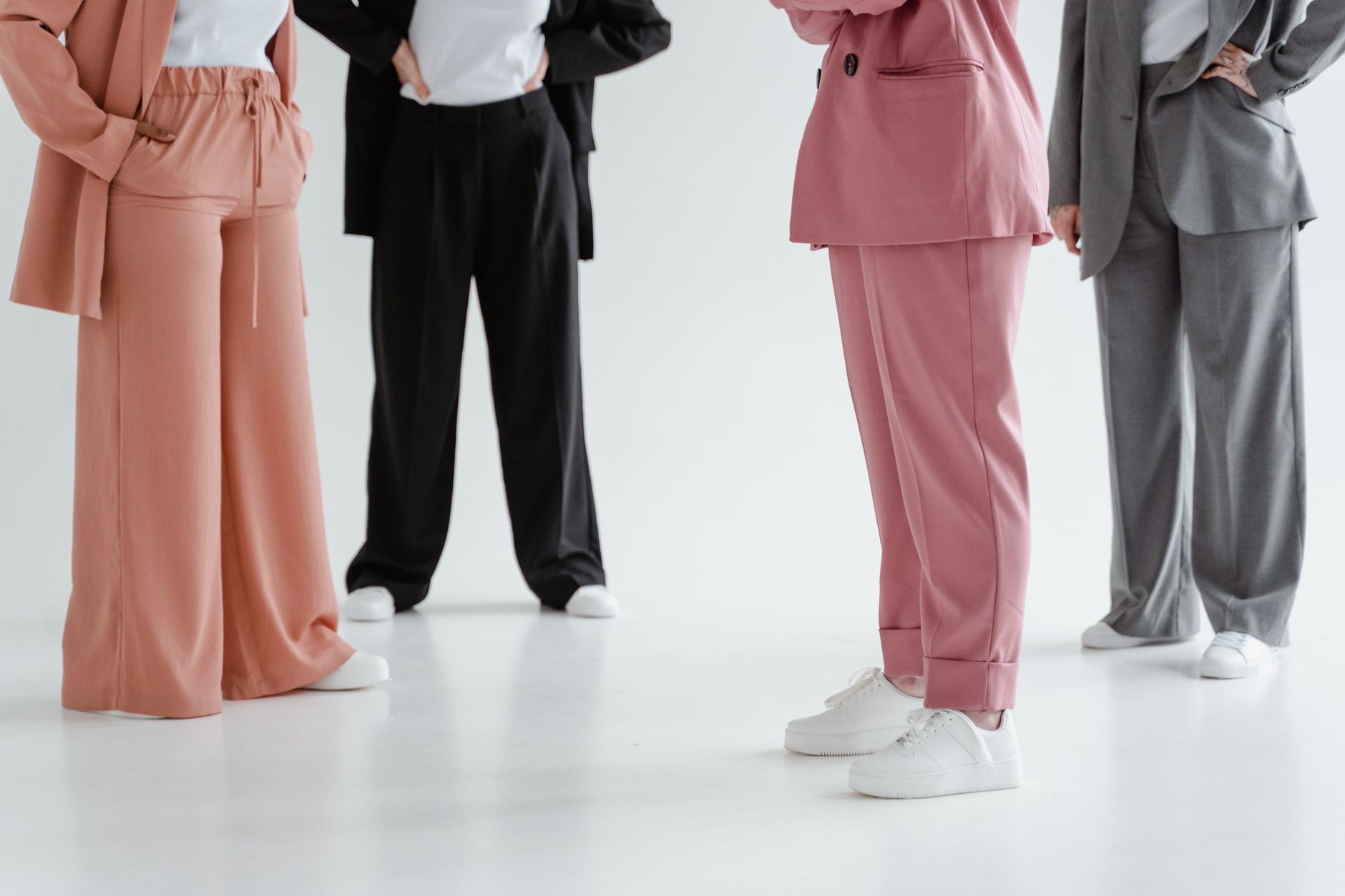
When your team steps out to meet a client, walks the floor at a trade show, or simply arrives at the office on a Monday morning, what they’re wearing sends a message before a single word is spoken. Corporate clothing wear is one of the most powerful — and often underestimated — branding tools available to Australian businesses. Done well, it creates a cohesive, professional identity that builds trust with customers, instils pride in employees, and reinforces your brand every single day. Done poorly, it ends up stuffed at the back of a cupboard or worn reluctantly. This guide covers everything you need to know to get it right, from choosing the right garments and decoration methods to managing your order and staying within budget.
Why Corporate Clothing Wear Matters More Than Ever in 2026
The workplace has changed significantly in recent years. Hybrid working, casual Fridays, and the blurring of professional and lifestyle aesthetics mean that corporate clothing is no longer just about stiff polo shirts with a stitched logo. Today’s corporate apparel needs to be functional, comfortable, stylish, and on-brand — a tall order, but absolutely achievable with the right approach.
Australian businesses are increasingly recognising that branded apparel is a long-term investment, not a one-off expense. A high-quality branded hoodie or well-cut polo shirt gets worn repeatedly, extending your brand’s reach far beyond the initial cost. When you consider the sheer number of impressions a branded garment generates over its lifetime — commutes, client visits, community events — the cost-per-impression is remarkably low compared to many other marketing channels.
If you’re curious about where branded clothing fits within the broader promotional products landscape, our look at promotional product trends in Australia is worth a read for broader context.
The Business Case for a Consistent Uniform Strategy
Beyond marketing, there are practical reasons to invest in corporate clothing:
- Team cohesion: Uniforms reduce the mental load of choosing what to wear and create a sense of belonging.
- Professionalism on the go: Whether your team is attending a conference in Melbourne or visiting a client in Perth, consistent apparel projects a polished, organised image.
- Brand recognition: Customers and prospects can immediately identify your people in busy environments like trade shows, expos, and retail floors.
- Safety and compliance: In industries like construction, warehousing, and manufacturing, branded hi-vis workwear also satisfies legal obligations.
Choosing the Right Garments for Your Corporate Clothing Wear
Not all corporate clothing is created equal, and the right choice depends heavily on your industry, workplace culture, and how the garments will actually be used. Here’s a breakdown of the most common categories and when to use them.
Polo Shirts and Business Casual Tops
Polo shirts remain the workhorse of corporate clothing wear across Australia. They strike a balance between casual comfort and professional presentation, making them suitable for industries like real estate, hospitality, retail, finance, and healthcare. Look for garments with a reasonable fabric weight (around 200–220gsm for polos) that will hold their shape and colour through repeated washing.
For a detailed breakdown of shirt and t-shirt options and what suits different workplace environments, our guide to shirt and t-shirt styles for branded apparel covers the key decisions well.
T-Shirts for Events, Volunteering, and Casual Teams
Branded t-shirts are the go-to choice for events, volunteer days, school programs, and casual work environments. A Brisbane charity running a community fundraiser might order 200 cotton t-shirts in their brand colours, screen printed with their logo and event name. The key here is balancing affordability with quality — a flimsy tee reflects poorly on your brand.
If you’re ordering event t-shirts alongside other promotional items, consider how your apparel complements your overall event presence. Our guide to trade show booth designs explores how branded apparel ties into a cohesive expo strategy.
Hoodies and Fleece Jackets
In Melbourne, Canberra, and Hobart especially, hoodies and fleece jackets are practical additions to any corporate clothing range. They’re also increasingly popular as staff welcome gifts, onboarding packs, and team rewards. A high-quality embroidered hoodie feels premium and gets worn regularly outside of work hours — keeping your brand visible in everyday life.
Hi-Vis and Safety Workwear
For businesses in construction, logistics, utilities, or manufacturing across Queensland and Western Australia, hi-vis workwear is non-negotiable. Branded hi-vis vests, shirts, and jackets ensure your team is both compliant and identifiable. Many organisations combine hi-vis apparel with other safety items — our post on promotional safety whistles for manufacturing plants touches on how branded safety products can form a cohesive workplace kit.
Caps and Headwear
Caps are an often-overlooked component of a complete corporate clothing package. Embroidered caps are popular for outdoor teams, trade shows, sporting events, and school programs. They’re also excellent standalone giveaway items — particularly for summer events and outdoor activations.
Decoration Methods: Getting the Branding Right
The decoration method you choose can make or break the finished product. Each technique suits different garment types, artwork styles, and budget levels.
Embroidery
Embroidery delivers a premium, textured finish that’s ideal for polo shirts, caps, and fleece jackets. It’s durable, professional-looking, and holds up extremely well over time. The main consideration is that intricate designs with very fine details or gradients don’t translate perfectly to thread, so simple, bold logos work best. Setup fees for digitising your artwork typically apply for the first order, but subsequent runs become more cost-effective.
Screen Printing
Screen printing is the most popular method for t-shirts and hoodies ordered in bulk. It’s cost-effective at higher quantities (generally 50+ units), produces vivid colours, and is highly durable. Spot colours work best; photographic or highly detailed artwork requires additional screens and can increase costs. For a thorough comparison of when to use each technique, our guide to screen printing vs embroidery for custom uniforms walks through the key trade-offs clearly.
Heat Transfer and Digital Printing
Heat transfer and direct-to-garment (DTG) digital printing are excellent for smaller runs, full-colour designs, or highly detailed artwork. While the per-unit cost is typically higher than screen printing at volume, these methods allow for more flexibility and shorter turnaround times — useful when you need a small batch of branded apparel quickly.
Sublimation
Sublimation is used primarily for polyester garments and produces stunning full-colour, all-over prints. It’s popular for sportswear, performance apparel, and custom-designed team jerseys. If your school or sporting club wants fully custom-designed sports shirts, sublimation is usually the best route.
Practical Ordering Tips for Corporate Clothing Wear
Even experienced buyers can run into problems when ordering corporate clothing. Here are some practical tips to help your project run smoothly.
Plan Ahead with Realistic Lead Times
Most corporate clothing orders require two to three weeks from artwork approval to delivery, with larger or more complex orders taking longer. If you’re ordering for a specific event or launch date, factor in time for artwork proofs, sample review, and any revisions. Organisations in regional areas — say, in Darwin or Townsville — should also allow extra time for freight.
Understand Minimum Order Quantities
MOQs vary by supplier, decoration method, and garment type. Screen printing typically requires a minimum of 25–50 units per design per colour, while embroidery often has lower MOQs (sometimes as few as 12 units). If you have a small team, consider consolidating your garment styles to meet minimums efficiently.
Get a Sample or Pre-Production Proof
Before committing to a full run, request a sample garment or a digital proof. This allows you to check sizing, colour accuracy, logo placement, and overall quality before your entire budget is spent. PMS colour matching is worth requesting for brand-critical colours to ensure consistency across your range.
Budget Wisely Across Your Merch Mix
Corporate clothing is rarely the only branded item an organisation needs. It’s worth thinking about how your apparel budget fits alongside other promotional investments — from wholesale branded water bottles for staff and events to branded USB drives for conference attendees. A well-rounded merch strategy strengthens your brand presence on multiple fronts.
For schools managing budgets across multiple initiatives, resources like our school sport merchandise guide can help with planning apparel alongside sporting equipment and event items.
Corporate Clothing for Events and Special Occasions
Corporate clothing wear isn’t limited to everyday uniforms. Many Australian organisations use branded apparel for specific events and occasions throughout the year.
A Sydney financial services firm might order premium embroidered polo shirts for their annual client golf day. A Gold Coast real estate agency might kit out their team in matching branded shirts for a community open day. A Perth technology company running a team-building day might order casual branded tees alongside other gifts like promotional drinkware with strong ROI data and branded notebooks from a reliable stationery supplier.
Seasonal events also create natural opportunities to refresh your corporate clothing range. Summer activations, for instance, often call for lighter fabrics and casual styles — our overview of summer branded beach ball sets and outdoor promotions shows how apparel can anchor a wider event merchandise strategy.
For businesses with an eye on sustainability, eco-conscious corporate clothing options are growing rapidly. Organic cotton, recycled polyester, and responsibly sourced materials are increasingly available from quality suppliers. Our broader look at building a sustainability-focused brand explores how environmentally responsible product choices reflect positively on your organisation.
Conclusion: Key Takeaways for Your Corporate Clothing Wear Strategy
Corporate clothing wear is a genuine investment in your brand’s everyday presence. Whether you’re outfitting a team of five in Adelaide or ordering 500 event shirts for a national conference in Sydney, getting the foundations right makes all the difference.
Here are the key takeaways to carry into your next corporate clothing project:
- Match the garment to the context — polo shirts for client-facing roles, hi-vis for safety-critical environments, hoodies and tees for casual or event use.
- Choose the right decoration method — embroidery for premium, long-lasting branding; screen printing for cost-effective bulk orders; digital printing for smaller runs or complex designs.
- Plan ahead — allow at least three to four weeks from artwork to delivery, especially for large or complex orders.
- Request samples and proofs — never approve a large run without checking colour, placement, and sizing on a physical or verified digital proof.
- Think beyond apparel — integrate your corporate clothing strategy with complementary branded products for a cohesive, impactful brand experience across every touchpoint.
A thoughtful corporate clothing wear program doesn’t just make your team look good — it makes your brand feel consistent, credible, and memorable at every interaction.