
Polo Shirts with Custom Logo Embroidery: The Complete Australian Buying Guide
Discover how to order polo shirts with custom logo embroidery in Australia — tips on decoration, MOQs, budgeting, and choosing the right style.

Written by
Wyatt Chen
Custom Apparel
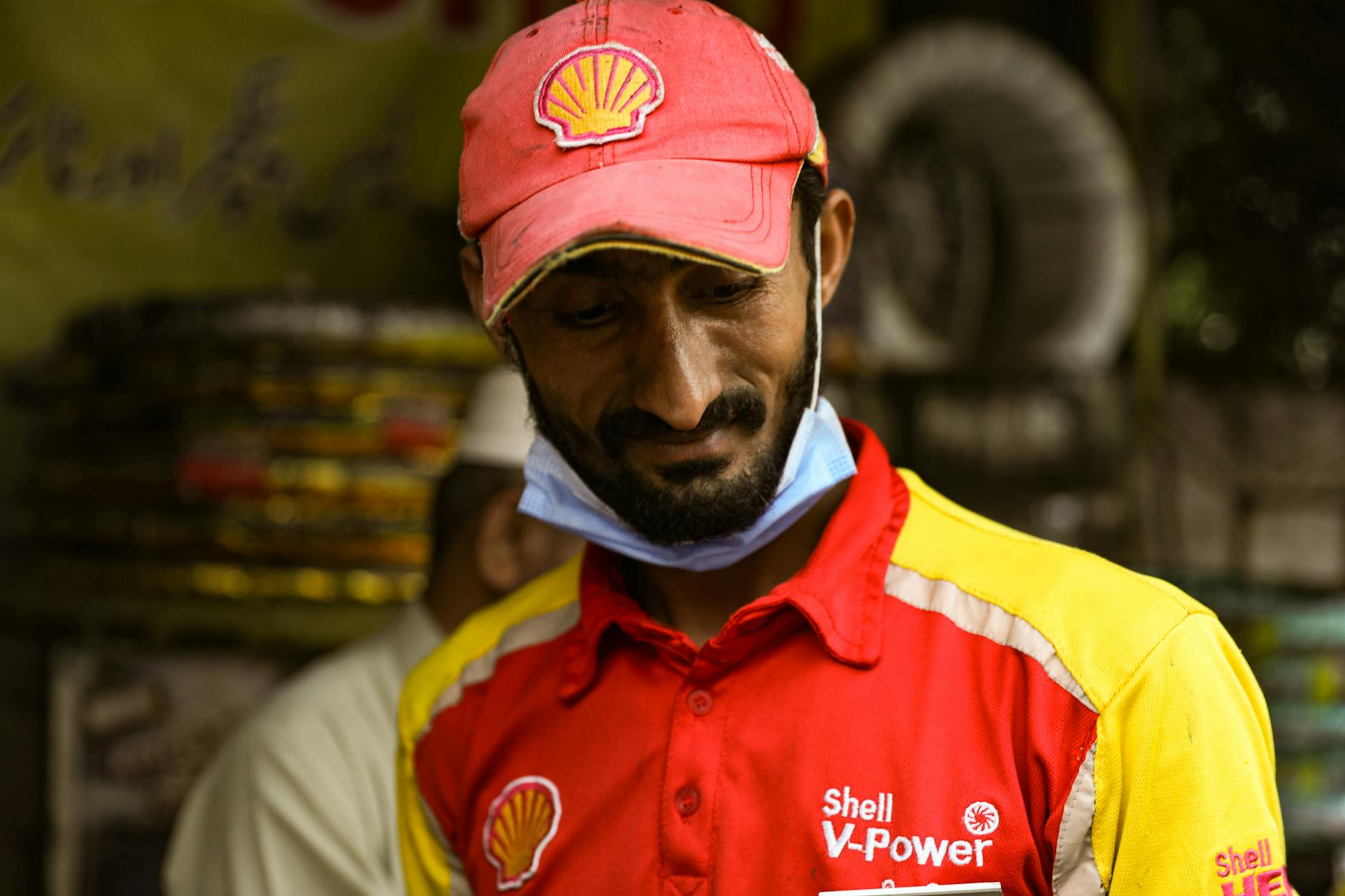
When it comes to professional branded apparel, few garments strike the right balance between smart presentation and everyday practicality quite like the embroidered polo shirt. Whether you’re outfitting a corporate sales team in Sydney, dressing real estate agents across Melbourne’s suburbs, or equipping hospitality staff along the Gold Coast, polo shirts with a custom logo embroidered on the chest deliver a polished, durable result that wearers are genuinely proud to put on. But ordering custom embroidered polos isn’t always as straightforward as it looks. From choosing the right fabric and fit to understanding artwork requirements and managing your budget, there’s quite a bit to consider before you place your order. This guide covers everything Australian businesses, schools, and organisations need to know to get it right the first time.
Why Polo Shirts with Custom Logo Embroidery Are a Smart Branding Investment
Before diving into the how-to, it’s worth understanding why embroidered polo shirts remain one of the most popular choices in the promotional apparel space — and why they consistently outperform other decoration methods for this particular garment.
Embroidery produces a premium, three-dimensional result that screen printing simply can’t replicate. The raised texture of stitched thread gives logos a weight and quality that immediately signals professionalism. Compared to heat transfer or pad printing on fabric, embroidery is far more durable — it won’t crack, peel, or fade after repeated washing, making it ideal for uniforms that see daily use.
For businesses, this longevity translates directly into value. A polo shirt worn five days a week for 18 months delivers thousands of brand impressions over its lifetime. If you’re curious about how branded apparel and other promotional items stack up as long-term investments, the promotional drinkware ROI data offers some fascinating benchmarks that apply equally to wearable merchandise.
Polo shirts also sit in a flattering middle ground between formal and casual — smart enough for client-facing roles and comfortable enough for tradespeople, retail staff, and sporting club volunteers. That versatility is a big part of why they’re ordered by everyone from corporate boardrooms to primary schools running community events.
For a deeper look at how embroidery compares to screen printing for different apparel types, our guide to screen printing vs embroidery for custom uniforms breaks down the pros, cons, costs, and best-use cases for each method.
Choosing the Right Polo Shirt for Embroidery
Not all polo shirts are created equal, and the garment you choose will significantly affect the final embroidered result. Here’s what to look for when selecting your base garment.
Fabric and Weight
Cotton and cotton-blend fabrics are the most popular choice for embroidery because the weave provides a stable surface for the needle and thread to work with. A standard 200–220 gsm (grams per square metre) cotton pique polo is a reliable all-rounder. Lightweight polyester-blend options are increasingly popular for active environments — particularly for sporting clubs and schools — but require a stabiliser during the embroidery process to prevent puckering.
If your team works outdoors in Queensland or the Northern Territory, look at moisture-wicking performance fabrics that are specifically designed for embroidery. Some heavily textured knits can cause digitised logos to look uneven, so always check with your decorator before committing to a fabric style.
Fit and Sizing
Australian workplaces increasingly expect inclusive sizing options. When ordering for a diverse team, look for suppliers offering sizes from XS through to 5XL. Women’s-specific cuts with tapered silhouettes are also worth considering for mixed-gender teams — a poorly fitted polo can undermine an otherwise excellent branding result.
Collar and Feature Details
Ribbed collars, buttoned plackets, and side vents are all standard polo features, but the quality of these details varies considerably between price points. For corporate or client-facing staff, spending a little more on a structured collar and quality button detailing signals care and attention. For school sport days or charity fun runs, a more affordable base garment is entirely appropriate.
Our broader guide to custom shirts and t-shirts covers additional garment selection tips that can help you narrow down the right style for your needs.
Understanding the Embroidery Process for Custom Logo Polos
Once you’ve chosen your garment, the next step is understanding how your logo will actually be produced. Embroidery involves a few key stages that are worth knowing about before you submit your artwork.
Digitising Your Logo
Before any stitching begins, your logo file needs to be converted into a stitch file — a process called digitising. A skilled digitiser translates your artwork into a set of instructions that tells the embroidery machine exactly where each stitch goes, what type of stitch to use, and in what direction. This process takes into account the garment type, thread colours, and the size of the finished embroidery.
Digitising typically incurs a one-off setup fee, usually ranging from $30 to $80 depending on the complexity of your logo. Once your design is digitised, the file is stored and can be reused for future orders at no additional cost — so this is genuinely a once-off investment.
Artwork Requirements
For the best embroidery result, logos with clean lines, solid colour fills, and minimal fine detail work best. Highly detailed illustrations, thin script fonts under 5mm tall, or gradients that rely on colour blending are all challenging to reproduce accurately in thread. If your logo falls into these categories, a skilled digitiser can suggest simplifications that preserve the overall brand feel.
Provide your artwork as a vector file (AI, EPS, or high-resolution PDF) whenever possible. This gives the digitiser the cleanest possible starting point and avoids any quality loss from scaling.
Thread Colours and PMS Matching
Thread comes in hundreds of colours, and most embroidery suppliers work with Pantone (PMS) colour references to get as close as possible to your brand colours. Be aware that thread is not an exact science — embroidery thread has a slightly different finish to printed ink — but an experienced decorator can usually get very close.
For brands with strict colour standards, request a physical sew-out sample before approving a bulk run. This is especially important for government departments, schools with established uniform guidelines, or any organisation where brand consistency matters.
Minimum Order Quantities, Pricing, and Turnaround Times
MOQs for Embroidered Polo Shirts
Most Australian suppliers require a minimum order quantity (MOQ) of 12–24 polo shirts for embroidery. This reflects the setup time required for digitising and loading the embroidery machine. Some suppliers will accommodate smaller orders of 6–11 units, but typically at a higher per-unit cost.
For large organisations — say, a Perth council outfitting 200 staff, or a Brisbane school ordering for a full teaching team — bulk pricing tiers can significantly reduce the per-unit cost. It’s worth getting quotes at multiple quantity break points (e.g. 50, 100, 200 units) to find the sweet spot for your budget.
What to Budget
As a general guide for 2026, expect to pay:
- Budget range: $25–$40 per polo (basic cotton pique, simple one-colour embroidery, 50+ units)
- Mid-range: $40–$65 per polo (quality cotton or blended fabric, multi-colour embroidery, 25–50 units)
- Premium: $65–$120+ per polo (high-end garments, multiple embroidery locations, smaller quantities)
These figures will vary depending on your location, supplier, garment brand, and embroidery complexity. Remember to factor in the one-off digitising fee and, if needed, freight costs.
Turnaround Times
Standard turnaround for embroidered polo shirts in Australia is typically 10–15 business days from proof approval. Rush orders (5–7 business days) are sometimes available at a premium. If you’re ordering for a specific event — a trade show, a school sports carnival, a charity walk — always build in a buffer of at least two extra weeks to allow for proof revisions, delays, or quality checks.
If you’re managing multiple branded product lines for an event alongside your polos, our guide to trade show booth designs and promotional planning has useful advice on coordinating timelines across different suppliers.
Placement Options for Embroidered Logos on Polo Shirts
The most common embroidery placement on polo shirts is the left chest — roughly where a breast pocket would sit. This is the standard position for brand logos and works well for most corporate and school applications.
Other popular placements include:
- Right chest: Often used for staff names or role titles alongside a left chest logo
- Sleeve: Great for secondary logos, sponsor marks, or flag-style brand identifiers
- Centre back yoke: Useful for safety messaging, company names, or secondary branding
- Collar: A subtle option for small logos or icons on premium corporate garments
Multiple embroidery locations will increase your cost, as each placement requires its own hoop setup and machine run. However, for uniforms that will be worn as a genuine representation of your brand, investing in two or three placement points can significantly lift the overall result.
Ordering Tips for Schools and Organisations
Schools across Australia are among the most frequent buyers of embroidered polo shirts — from sports uniforms in Adelaide and Canberra to classroom teacher uniforms in Darwin and Hobart. If you’re ordering on behalf of a school, here are a few specific considerations.
Opt for hard-wearing cotton-blend fabrics that can handle playground use and machine washing. Confirm that your supplier offers a re-order guarantee so you can top up quantities mid-year without re-paying setup fees. And don’t overlook the value of bundling your uniform order with other school merchandise — branded sports gear, for instance. Our overview of school sport Australia merchandise is a helpful starting point for planning a complete school branding package.
For corporate events, consider pairing your embroidered polo order with branded accessories like promotional USB drives, custom water bottles, or branded pens to create a cohesive welcome pack for attendees.
If you’re managing a broader promotional merchandise strategy, our coverage of promotional product trends in Australia gives helpful context around what’s resonating with Australian audiences right now — particularly around sustainability, which is increasingly influencing apparel choices too.
You might also explore promotional jute bags as a sustainable complement to your polo shirt order for events where eco-conscious branding is a priority.
Staying aware of leading promo brands and product ranges can also help you identify quality garment options that suit your budget and style requirements.
Conclusion: Key Takeaways for Ordering Polo Shirts with Custom Logo Embroidery
Polo shirts with custom logo embroidery remain one of the most effective branded apparel investments available to Australian businesses, schools, and organisations. Done well, they create a consistent, professional image that reinforces brand credibility every time they’re worn.
Here are the key points to remember before you place your order:
- Choose the right garment first — fabric, fit, and weight all affect the embroidery result. Don’t select a polo purely on price without considering how it will perform.
- Understand digitising costs — the one-off setup fee is unavoidable, but it’s also a one-time investment that pays for itself over multiple orders.
- Simplify complex logos for embroidery — fine detail, thin fonts, and colour gradients don’t translate well to thread. Work with your decorator to adapt your artwork if needed.
- Build in enough lead time — 10–15 business days is standard, and adding a buffer for proof approvals and revisions will save you stress before important events.
- Bundle your orders where possible — combining polo shirt orders with other branded merchandise (bags, drinkware, stationery) can streamline your procurement and sometimes unlock better pricing.
With the right preparation and a reliable decorator, embroidered polo shirts deliver outstanding long-term value — and a brand presence your team will actually want to wear.